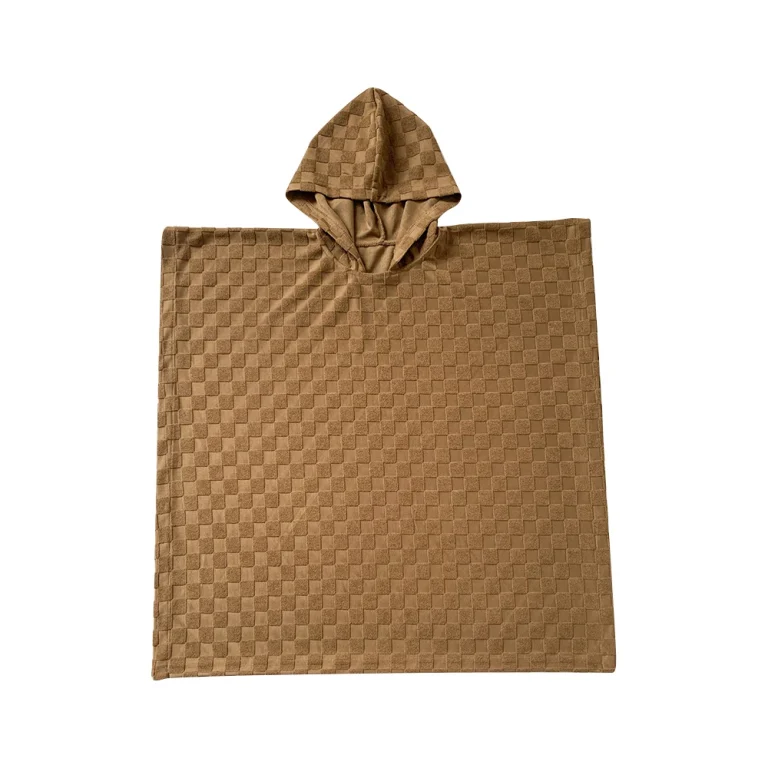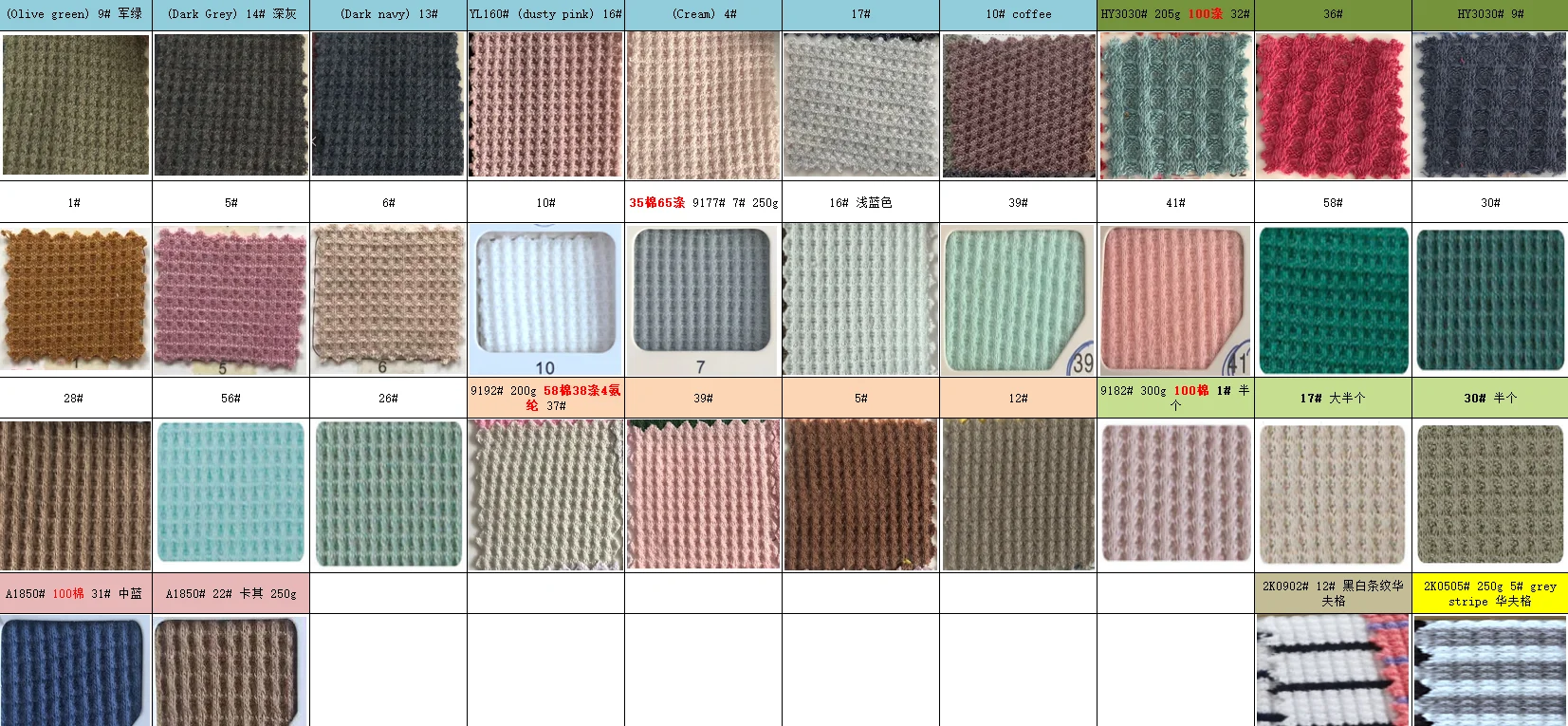
Tiered Pricing Organic Bamboo Baby Clothes Factory Direct Pricing Bulk Discounts for ASTM
Unveiling the Benefits of Organic Bamboo Baby Clothes
Organic bamboo baby clothes have become increasingly popular among B2B buyers and babywear brands due to their sustainable properties, comfort, and eco-friendly production processes. This article explores the key factors that make bamboo fabric ideal for baby clothing, including material characteristics, manufacturing standards, international compliance, and supply chain advantages. For brands aiming to deliver premium babywear products, partnering with a trusted manufacturer ensures both quality and scalability.
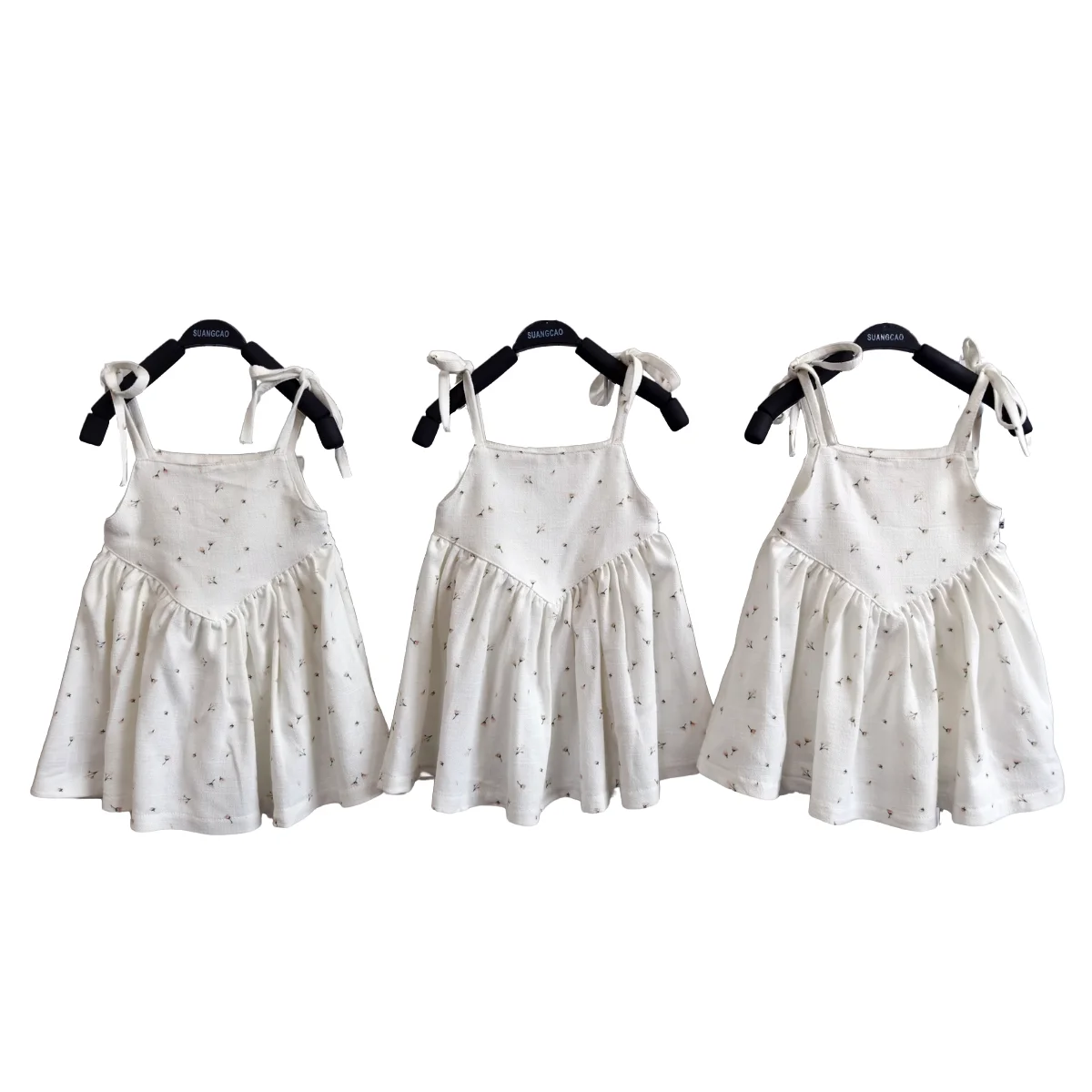
Material Characteristics: What Makes Bamboo Fabric Ideal for Babies
Bamboo fabric is celebrated for its unique properties that make it perfect for sensitive baby skin. The material offers a combination of softness, breathability, and durability, distinguishing it from other textiles used in babywear production.
Key Attributes of Bamboo Fabric
- Softness: Bamboo fabric is inherently softer than cotton, creating a luxurious feel that is gentle on delicate baby skin.
- Breathability: The material promotes airflow, preventing overheating and ensuring comfort in various climates.
- Moisture-wicking: Bamboo fabric effectively absorbs and evaporates moisture, keeping babies dry and comfortable.
- Hypoallergenic: Naturally resistant to allergens and irritants, bamboo fabric is ideal for babies with sensitive skin or eczema.
- Eco-friendliness: Bamboo grows quickly and requires minimal pesticides or water, making it a highly sustainable fiber.
Bamboo fabric for babywear often features a weight of 180-220 GSM (grams per square meter), ensuring optimal thickness for durability without compromising on comfort. This balance is crucial for creating garments that are both lightweight and long-lasting.
Manufacturing Excellence: High Standards in Babywear Production
Producing high-quality organic bamboo baby clothes requires meticulous attention to manufacturing processes. To meet global demand and expectations, manufacturers implement stringent quality controls and precision techniques.
Production Standards and Techniques
- Stitching Standards: Baby clothes are crafted using reinforced stitching techniques, such as interlock and flatlock seams, to ensure durability and prevent fraying.
- Dyeing Processes: Eco-friendly, non-toxic dyes are used to color bamboo fabric, aligning with baby safety standards.
- Finishing Methods: Specialized finishing processes enhance the softness and anti-bacterial properties of bamboo garments.
Factories specializing in bamboo babywear must adhere to international safety certifications, such as CPC (Children’s Product Certificate) standards and OEKO-TEX certification for textile safety. These certifications reassure wholesalers and brands that the garments are free from harmful chemicals and are safe for infants.
Supply Chain Advantages: Tailored for B2B Buyers
Choosing a factory direct approach when sourcing organic bamboo baby clothes offers significant advantages for brands and wholesalers. This manufacturing model minimizes costs while maximizing customization and efficiency.
Flexible Order Quantities
Manufacturers often offer low minimum order quantities (MOQs) to support emerging brands or boutique retailers. Common MOQ ranges vary from 300 to 500 pieces per design, ensuring scalability for businesses of all sizes.
Streamlined Production Timelines
- Short Lead Times: Most factories can deliver bulk orders within 30-45 days, depending on the complexity of the designs.
- Efficient Prototyping: OEM (Original Equipment Manufacturer) factories often provide sample production within 7-14 days, enabling brands to test designs before committing to large orders.
Private Label and Customization Options
Partnering with an organic bamboo baby clothes factory direct eco-friendly baby clothing manufacturer enables businesses to create fully customized products. This includes:
- Custom prints, patterns, and embroidery to reflect brand identity.
- Labeling, packaging, and branding tailored to individual specifications.
- Unique garment designs, such as rompers, sleep sacks, and pajamas, to meet specific market demands.
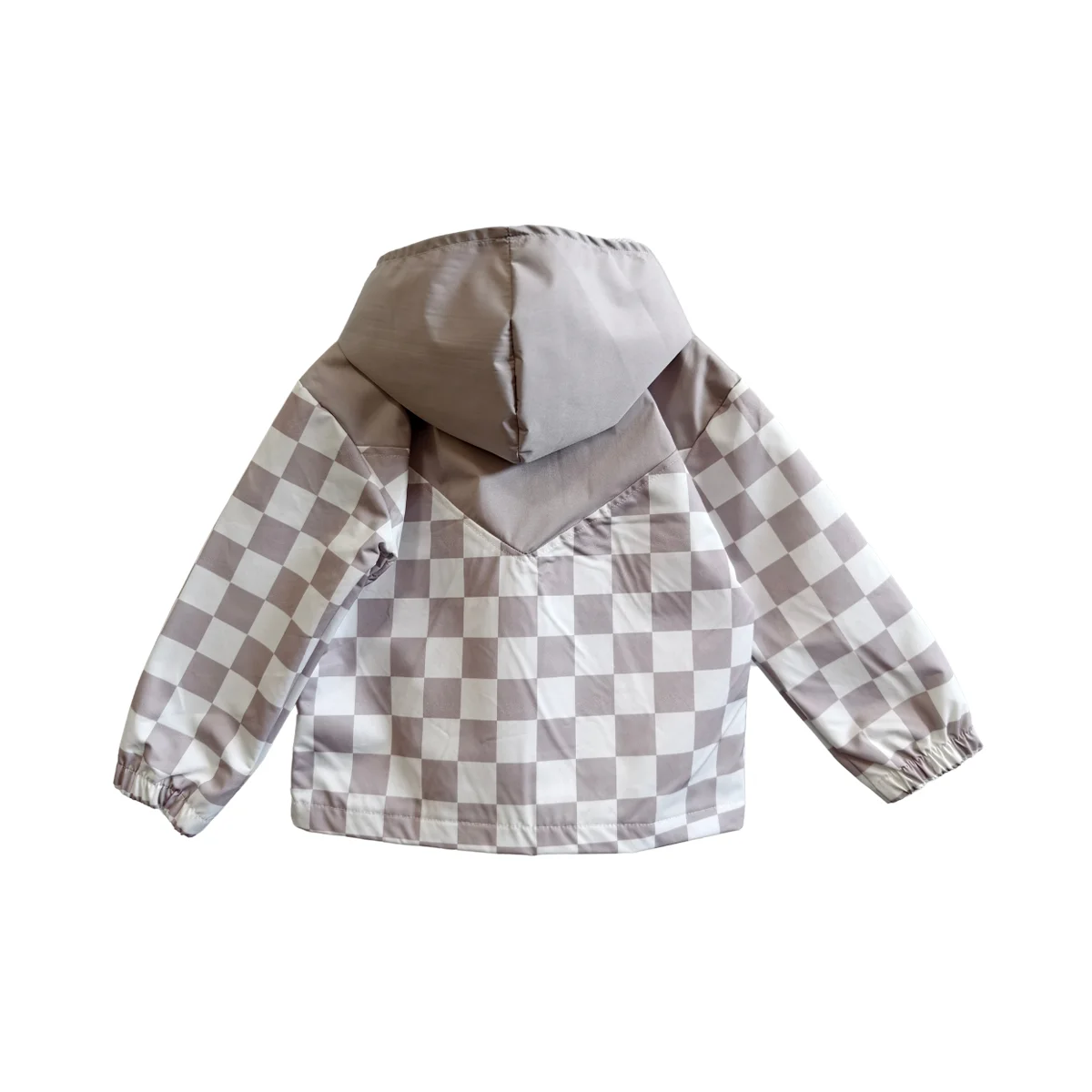
International Compliance: Meeting Global Standards
To compete in international markets, manufacturers must comply with rigorous safety and quality standards. CPC certification ensures that babywear meets U.S. Consumer Product Safety regulations, while OEKO-TEX Standard 100 guarantees that textiles are free from harmful substances. Buyers should prioritize manufacturers that uphold these certifications to ensure product quality and consumer trust.
For brands and wholesalers seeking reliable partners, we offer organic bamboo baby clothes factory direct eco-friendly baby clothing manufacturer services. Contact our team today for Customized Solutions and Bulk Order Inquiries.